
Before asking what PRP costs, ask what it is supposed to do to your hair. The answer tells you what a plan has to include.
The idea behind PRP
An article on health.clevelandclinic.org states: Physicians first began using PRP therapy more than a decade ago to speed up the healing process in joints after injury or surgery. Then, doctors began using PRP in dermatology after researchers found that high concentrations of platelets in plasma help promote hair growth by prolonging the growing phase of the hair cycle.
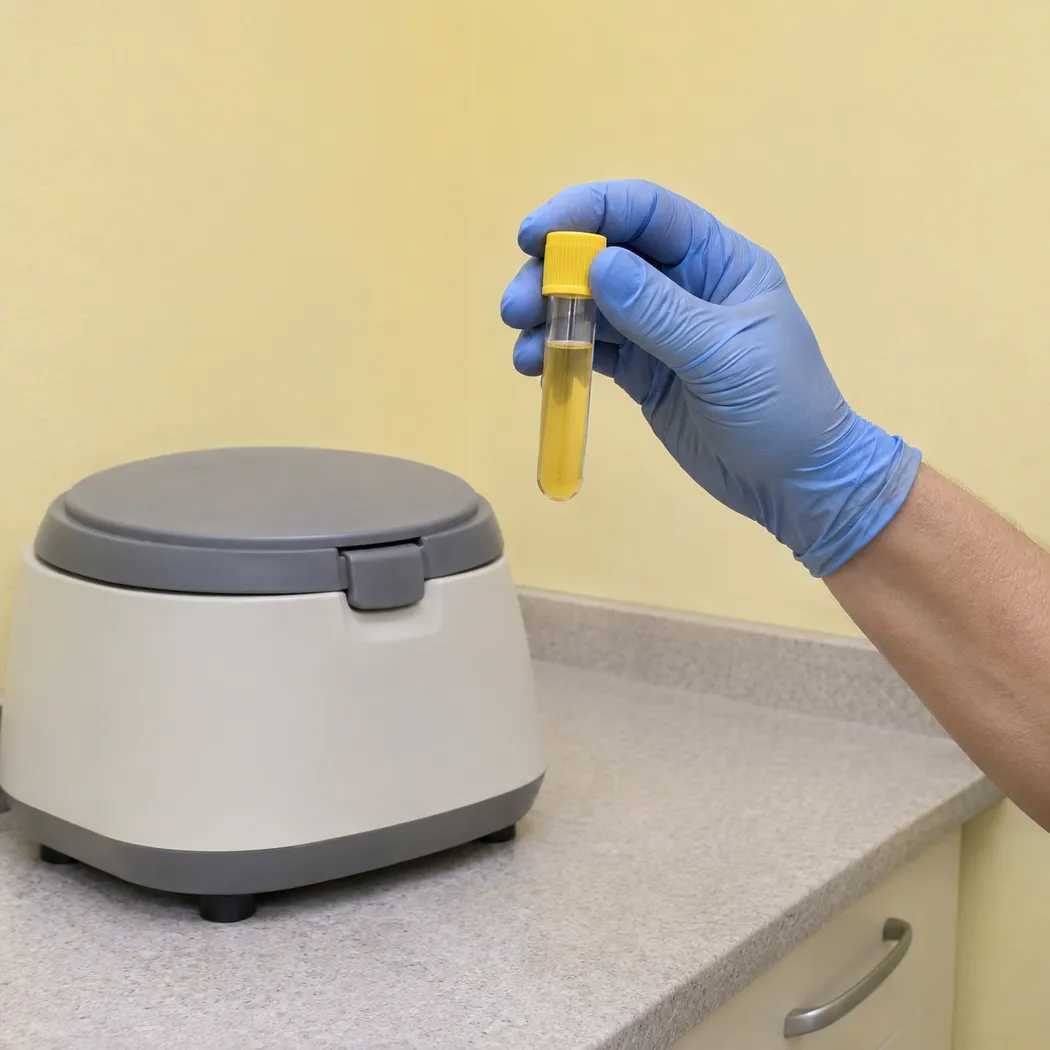
The source describes PRP as acting on the growing phase of the hair cycle. That is the claim a provider should be able to connect to your plan.
What follows for your quote
Ask the provider to explain, in those terms, what your treatment is meant to do. If the explanation is only a promise of thicker hair, the plan is not yet specific enough to price.
Know which hair loss you have
The type of hair loss matters to any plan. DermNet covers male pattern hair loss, NIAMS covers alopecia areata, and MedlinePlus has a broader entry on hair loss. Ask which type the provider believes you have and what that belief rests on.
For the treatment itself, Harvard Health's article on platelet-rich plasma and balding is a second place to read before you decide.
What to ask for in writing
- The type of hair loss recorded in your chart.
- How many sessions the quote assumes.
- Whether the price is per session or for a course.
- What follow-up costs after the planned sessions.
A practitioner's closing note
A plan that cannot name its own end point cannot be priced fairly. Ask when the provider would stop, and what result would make them stop.
More to read before you price a PRP plan
- How many PRP sessions do you need for hair loss?
- Who is a good candidate for PRP hair treatment?
- Does microneedling regrow hair?
Questions on this topic reach the desk from Alpharetta, Cumming, Johns Creek, Milton and Roswell.